Sethco Homes – Inspired Living Starts Here
Tiny homes designed to match your ambition — whether you’re renting, retreating, or reclaiming freedom.

For Bold Thinkers, Free Spirits & Financial Builders
We serve three kinds of clients — which one are you?
🏘️ The Investor
You’re building wealth, not just walls. Our luxury STR-ready homes are optimized for Airbnb, complete with market insights and concierge support.
🏞️ The Off-Grid Dreamer
Independence meets indulgence. Our off-grid homes bring freedom and comfort together in stunning locations.
🪑 The Minimalist Visionary
You crave less, but better. Smart layouts, elevated design, and compact luxury — all without compromise.
Explore Our Comprehensive Real Estate Solutions
Explore tailored solutions for buying, investing, and managing real estate.
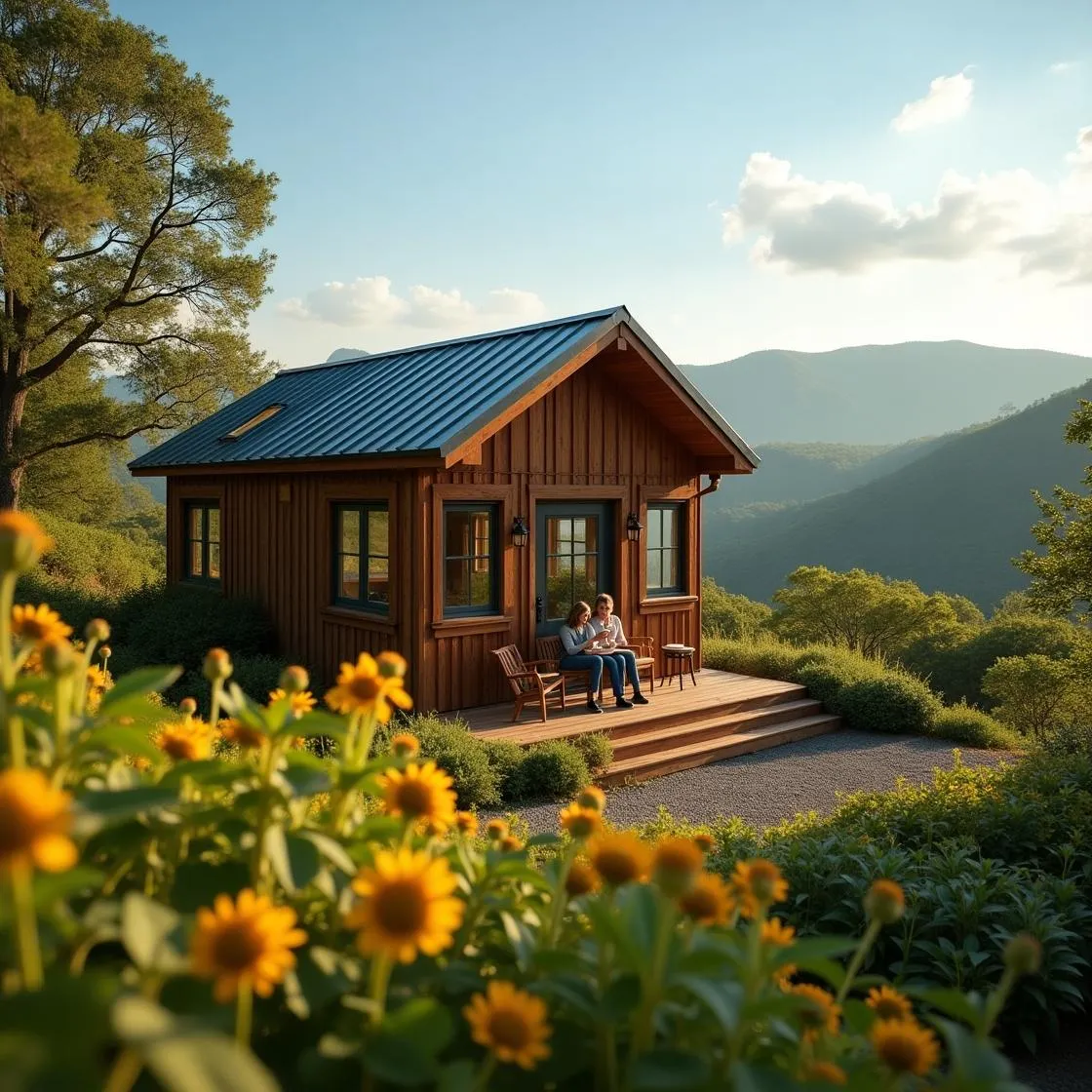
🏘️ The Investor
You’re building wealth, not just walls. Our luxury STR-ready homes are optimized for Airbnb, complete with market insights and concierge support.


🏞️ The Off-Grid Dreamer
Independence meets indulgence. Our off-grid homes bring freedom and comfort together in stunning locations.

🪑 The Minimalist Visionary
You crave less, but better. Smart layouts, elevated design, and compact luxury — all without compromise.

Testimonials


Jasmine Richards

Super informative first-time buyer support and insightful investment strategies. Sethco Homes really made navigating real estate feel manageable and profitable!

Monica Chandler
Explored a few advisors before sticking with Sethco. Their investment planning and market analysis really stand out. Solid, reliable insights every time.

Thomas Krazinski
Sethco Homes’ property management is hassle-free. Everything's handled efficiently; it’s just seamless. Would definitely recommend for peace of mind.
FAQs
Your Questions Answered: Clearing Pathways in Real Estate
How much do Tiny Homes cost?
The cost of a tiny house for sale can vary significantly. Factors such as size of the tiny home, materials selected, and customization all impact the overall cost of a tiny house for sale. Our tiny homes for sale aren’t your average DIY builds or prebuilt tiny homes. As of 2025, our tiny homes can cost around $330+ per-square-foot. Our tiny homes for sale often feature quality-sourced materials, custom-built furniture, high-end appliances, designer lighting, and energy-efficient systems such as solar panels. We also offers innovative space-saving solutions such as motorized elevator beds, or custom built-in furniture and cabinetry. Additional expenses may include land, utilities, and delivery costs. To receive a custom quote, start by designing your very own tiny home for sale on our site by selecting one of our models to get started. On average, our tiny homes for sale can cost between $100,000 and $200,000, with flexible financing options available. We also offer financing for both land and home, as well as price cuts for multiple units for tiny home communities or tiny home hotels. While we are not the most affordable tiny house builder out there, our tiny homes are built to last. We use science-backed building practices and decades of insider experience to handcraft some of the top tiny homes in the nation.
Where can I park my Tiny Home?
Shopping tiny homes for sale and wondering where you can park? Finding the perfect spot to park your tiny home is a crucial step along your road to living tiny. Our builders handcraft heirloom quality tiny homes with both beauty and function in mind—helping to create tiny homes as unique as our clients’ visions. But where can you legally park a tiny house on wheels? The answer depends on your needs, local regulations, and the kind of community you’re interested in being a part of. Many tiny homeowners choose to park on private property, whether it’s land they own or a space offered by friends or family. Our tiny homes are RVIA-certified, which means you can park and often live in your tiny house in an RV park or campground, just be sure to check each park’s individual policies around tiny home parking. For those who dream of a more independent, rural lifestyle, our tiny homes for sale can be built to live “off-grid” with solar panels, incineration or composting toilets, and smart water systems. It’s important to note off-grid parking isn’t designed for long-term, but works well for anyone who may need off-grid functionalities intermittently. In some areas, parking a tiny house for sale in a backyard is a popular solution for those looking to house family members or even generate rental income.
How do I insure my tiny home?
Insurance for tiny homes depends on factors like mobility, certifications, location, and usage. Homes built to RVIA or NOAH standards are typically easier to insure, with premiums ranging from $50–$150 per month. Coverage can include weather-related damage, theft, liability, and personal belongings. To get insured, start by identifying your home type and gathering key documents like photos, certifications, and an appraisal. If you’re off-grid, make sure your policy covers alternative power sources, water, and septic systems. And if your home is financed, your lender may require proof of insurance. No matter how you use your tiny home—full-time living, renting, or traveling—the right policy helps protect your investment. Since we work with builders who are members of RVIA and listed in NADA, you can purchase your insurance at any major insurance carrier, just like your car. If you get a mortgage through them, your insurance can be rolled into your mortgage payment.
How much per month does a Tiny Home cost?
Wondering how to calculate monthly costs associated with living in a tiny house? Even the smallest tiny house will have some ongoing costs to maintain. Utility and energy costs, land and parking fees, home maintenance or repairs, insurance, waste management, internet, and loan payments are the main categories to keep in mind when factoring expenses. No matter what tiny home plans or design you choose, from going off-grid to top-tier luxury tiny house with all the amenities, tiny home living grants tiny home owners the opportunity to live a sustainable and affordable lifestyle in the beautiful handcrafted home of their dreams. Here, we’ve provided a quick glance at tiny home utilities and estimated costs associated. Electricity in tiny homes can cost anywhere from $20-$100/month, depending on energy usage and solar panel usage.Water and sewer can range between $10-$50/month.Propane can cost $10-$40/month for heating and cooking where applicable.RV parks and tiny home communities can charge between $300-$1,000/month for rent. Private land parking costs vary based on land ownership, property taxes, and hookup fees.Tiny home insurance can range from $50-$150/month depending on coverage type and location. RV or homeowners insurance is often required if your tiny home has been financed. Loan payments will vary depending on the loan amount, down payment, interest rate, and term.
Does Sethco Homes offer any post-purchase support?
Find your tiny home community! If you’re looking for a tiny home community near you, there are many options across the U.S. Read all about your tiny house parking options on “The Ultimate Guide: Where Can You Park A Tiny House? “Whether you’re interested in a minimalist house interior, a tiny house ADU, or a mobile home RV setup, tiny home communities offer a range of living options. These communities often include shared amenities, sustainable living practices, and a strong sense of community. Our homes, known for their high-quality craftsmanship and innovative designs, are a great fit for these communities. You can find tiny home communities in places like Eugene, Oregon, or near Dillon Beach cottages, where tiny homes are becoming increasingly popular. Whether you’re looking to buy, rent, or Airbnb a tiny home, there are options to suit different lifestyles.
How do utilities in a tiny house work?
If you’re interested in learning all about tiny home utilities, you’re in the right place. Utility costs for tiny homes are generally much lower than traditional homes, saving money and energy. Depending on where you plan to park your tiny home on wheels, utilities in tiny homes can be hooked up to municipal water, sewer, and electrical depending on the site’s set up. Our builders handcraft top-quality designer tiny homes on wheels that are classified as RV’s and can use RV-style hookups, allowing connection to water and electricity at campgrounds or RV parks. We can also build your dream tiny home to be self-contained with off-grid options to include solar panels, rainwater collection systems, and incinerating or composting toilets. Mobile tiny homes often use freshwater tanks and RV-style hookups for water supply, with greywater and blackwater tanks to manage waste. Heating and cooling a tiny home is far more energy and cost-efficient than in a traditional home. Due to the small space, energy-efficient solutions like mini-split systems, propane heaters, or electric heaters are often used. For cooling, options include air conditioning units, ceiling fans, or natural ventilation designs. The compact size of tiny homes allows for quick temperature adjustments, often resulting in lower energy consumption.
RVIA & Safety: Why Is RVIA important?
RVIA stands for the Recreational Vehicle Industry Association. As a member of RVIA, we certify compliance with more than 500 safety specifications for electrical, plumbing, heating, fire and life safety established under the National Fire Protection Association (NFPA) Standard for Recreation Vehicles. Additionally, we are subject to periodic, unannounced inspections by RVIA representatives to audit our compliance. Most Tiny Houses are not inspected – by anyone – putting you at risk for any number of harms or problems. You may check their website for more details.Not having an RVIA seal can limit financing, insurance, DMV registration, and parking options. We work with builders who are committed to meet all required safety standards and federal motor vehicle regulations as a recreation vehicle (RV). This may offer many advantages including the transportation, placement and financing of your unit. Additionally, we use licensed plumbers, electricians, and HVAC technicians. This is just one of many practices our builders are committed to as leaders in safety and quality! We aim to set the standard for quality in the industry of Tiny Homes.